Timeless Jamaican Food Dishes Everyone Should Know
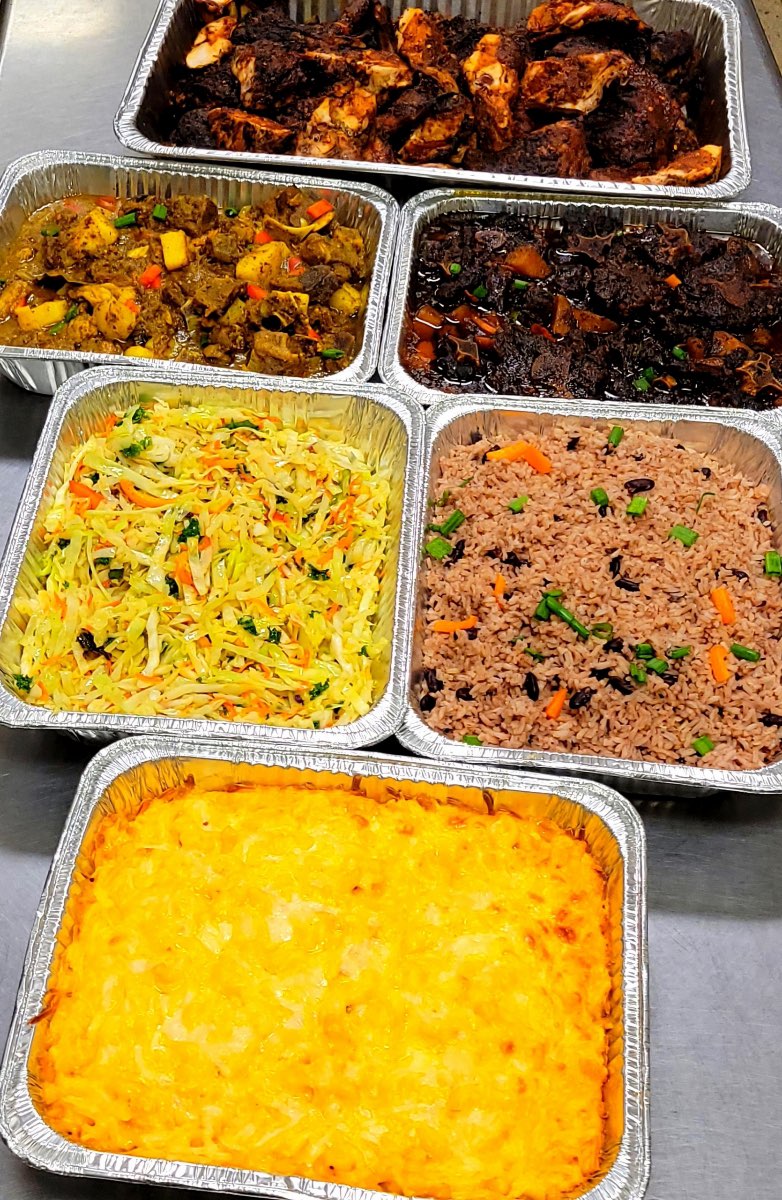
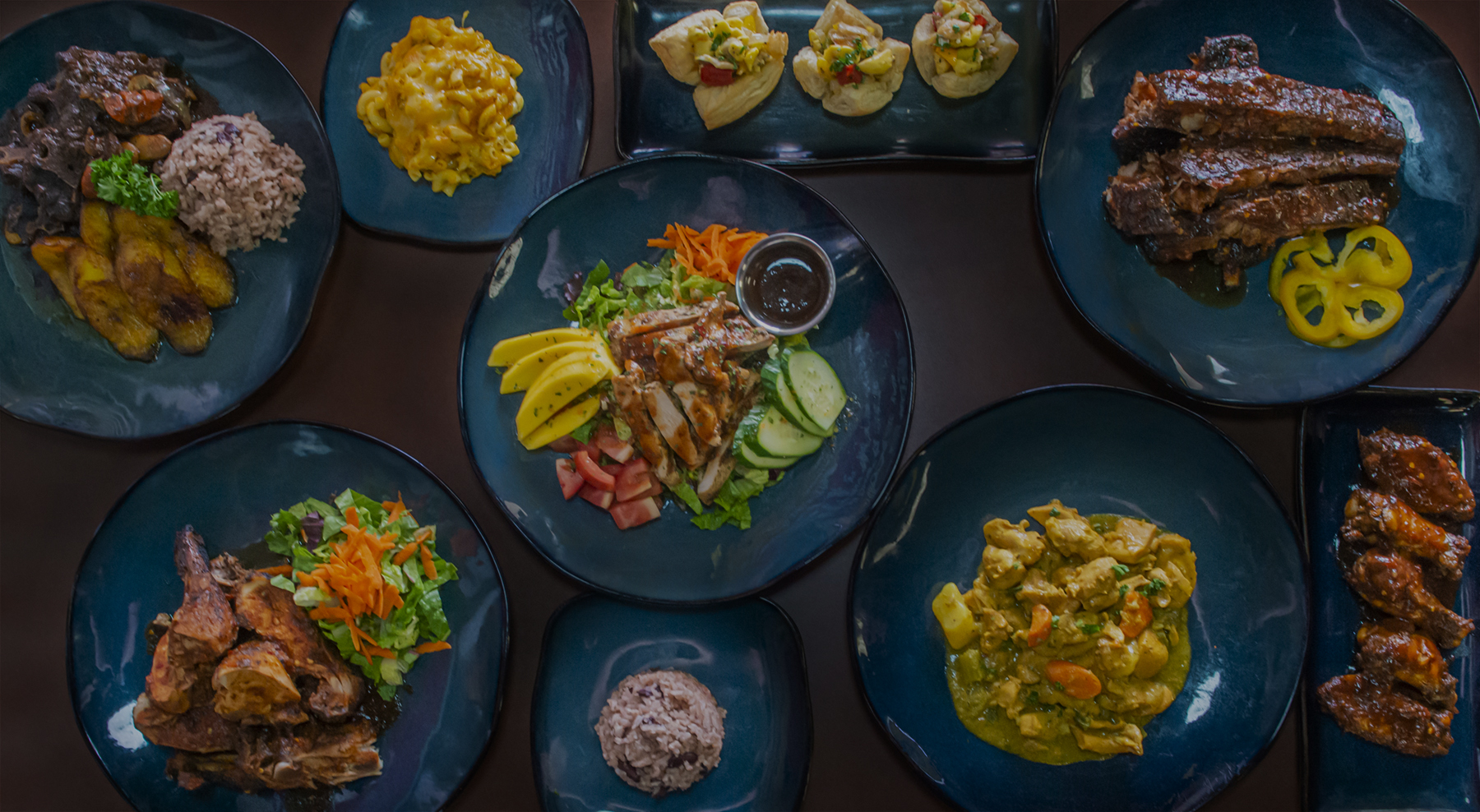
Jamaican food has a way of staying with you. It is bold without being careless, deeply seasoned without losing clarity, and rooted in a cooking tradition that knows how to make the most of every ingredient. A good Jamaican meal rarely tastes accidental. The spice, smoke, heat, sweetness, and starch all have a job to do, and when the balance is right, it feels complete in a way that is hard to fake.
What makes these dishes timeless is not just flavor. It is memory, technique, and adaptation. Jamaica’s food culture reflects African, Indigenous Taíno, European, Indian, and Chinese influences, shaped further by local produce, climate, and necessity. That layered history shows up on the plate. You can taste it in slow-cooked stews, in roadside jerk smoke curling over pimento wood, in patties eaten hot from a bakery case, and in breakfast plates that carry enough substance to fuel a full day.
Some dishes travel well and become restaurant staples abroad. Others are harder to find outside Jamaican homes, community cookshops, or island roadside stands. Still, there are a handful that every serious eater should know, not as novelty items, but as essential expressions of Jamaican food at its best.
Jerk chicken, the dish most people meet first
For many people, jerk chicken is the entry point into Jamaican food, and that first impression is usually intense. It should be. Proper jerk is not merely grilled chicken with spicy sauce. It is a method, a seasoning tradition, and a style of cooking that depends as much on smoke and patience as it does on heat.
The core flavors are familiar once you know them: allspice, called pimento in Jamaica, Scotch bonnet pepper, thyme, scallion, garlic, ginger, and often a little brown sugar or soy sauce in modern marinades. Yet the real distinction comes from how those elements settle into the meat and how the chicken cooks over fire. When jerk is done well, the outside darkens and chars in spots, the fat renders slowly, and the smoke carries the fragrance of pimento wood. The result is not simply spicy. It is aromatic, savory, and slightly sweet, with a heat that builds rather than shouts all at once.
One common misunderstanding is that hotter always means better. It does not. A jerk marinade overloaded with pepper can flatten everything else. The best versions leave room for the allspice to bloom and for the thyme and scallion to remain recognizable. If you have ever eaten jerk from a roadside setup in Jamaica, served in foil or paper with festival or bread on the side, you know the smell often reaches you before the food does. That smoke is part of the dish, not decoration.
Jerk pork deserves equal respect, especially because pork takes particularly well to this style of seasoning. It carries more fat, which means more flavor and more tolerance for long cooking. A well-made jerk pork shoulder or pork cuts with caramelized edges can be one of the richest and most satisfying plates in Jamaican cooking.
Ackee and saltfish, Jamaica’s national dish for good reason
Ackee and saltfish often surprises first-time eaters because it does not behave like anything they expect. Ackee, when cooked, looks a bit like soft scrambled egg, but the resemblance ends there. Its texture is creamy and delicate, and its flavor is mild, almost buttery. Saltfish, usually salted cod that has been soaked and simmered to remove excess salt, brings the savory backbone. Together with onion, tomato, Scotch bonnet, black pepper, and thyme, they make a dish that is both gentle and vivid.
This is one of the clearest examples of how Jamaican food handles balance. Ackee needs restraint. Too much stirring and it breaks apart. Too much seasoning and it disappears under stronger flavors. The saltfish should lead, but not bully. When the ratio is right, each forkful gives you softness from the ackee, chew from the fish, sweetness from onion and tomato, and a spark of heat that lingers just long enough.
It is often served with fried dumplings, roasted breadfruit, boiled green banana, or yam. That matters, because the sides turn the dish into a full meal and change its character. With fried dumplings, breakfast feels hearty and indulgent. With boiled provisions, it leans earthier and more traditional. Breadfruit, especially when roasted properly, adds a smoky starchiness that suits ackee and saltfish exceptionally well.
There is also a practical lesson built into the dish. Ackee must be properly prepared and fully opened before cooking. Jamaicans know this well. Respect for ingredients is part of the cuisine’s discipline, and ackee is one of the strongest reminders that traditional knowledge in the kitchen is often about safety as much as flavor.
Curry goat, slow cooking at its most persuasive
If jerk is the loud extrovert at the table, curry goat is the deep, steady voice that wins you over slowly. This is a dish that rewards time. Goat is flavorful, but it can be tough if rushed. Jamaican cooks know better than to hurry it. The meat is typically seasoned well in advance, then simmered until tender in a curry sauce that turns rich and concentrated over time.
Jamaican curry differs from many other curry traditions, though it reflects Indian influence clearly. Turmeric is central, and the flavor profile often includes garlic, ginger, scallion, thyme, Scotch bonnet, and allspice. Potatoes often go into the pot near the end, where they absorb the sauce and help thicken it. The finished dish should not taste dusty or raw with spice. The curry powder needs time in hot fat at the start so it can toast and deepen.
What separates a memorable curry goat from an average one is the tenderness of the meat and the quality of the gravy. The goat should yield easily but still hold its shape. The sauce should coat rice without turning watery or greasy. A good plate of curry goat with rice and peas is one of the most satisfying combinations in Jamaican food because each element improves the other. The rice tempers the intensity, while the curry gives the rice its reason for being there.
Outside Jamaica, mutton is sometimes used as a substitute because it can be easier to source. That is understandable, but the flavor is not quite the same. Goat has a distinct clean gaminess that works beautifully with curry. The substitution can still be delicious, but it changes the dish’s identity a little.
Oxtail, rich, glossy, and impossible to rush
Oxtail has become one of the most sought-after Jamaican dishes internationally, and with good reason. It is luxurious in texture and deeply savory, with meat that softens into the sauce after long braising. Yet it also illustrates a broader truth about Jamaican cooking: some of the most prized dishes began as practical, even humble, uses of less expensive cuts.
The seasoning usually starts aggressively. Browning, garlic, thyme, scallion, onion, Scotch bonnet, pimento, and often broad beans or butter beans all play a role. The oxtail is browned, then braised until the connective tissue melts into the gravy. The final sauce should be dark, glossy, and full-bodied, with enough richness to cling to the spoon.
This is not a subtle dish, but it should still be controlled. One mistake seen too often is excessive sweetness from bottled browning sauces or too much ketchup. Another is undercooking, which leaves the meat chewy and the sauce thin. Proper oxtail asks for patience. The reward is a plate with real depth, especially when served with rice and peas, steamed cabbage, or plain white rice that can handle the intensity.
There is a social dimension to oxtail too. It often appears at Sunday dinners, family gatherings, and celebrations where people expect something special. Even in restaurants, its higher price tends to signal occasion food. That does not make it formal. It remains comfort food, but comfort food with a certain gravity.
Rice and peas, the side dish that is never just a side dish
Anyone who thinks rice and peas exists merely to fill the plate has not eaten good rice and peas. In Jamaican cooking, it is a dish with its own standards. The “peas” are usually kidney beans or gungo peas, depending on the meal and the season. The rice cooks with coconut milk, thyme, scallion, pimento, and often Scotch bonnet added whole for fragrance rather than piercing heat.
The best versions are light enough that each grain stays distinct, but flavorful enough that you notice the seasoning immediately. Coconut should be present without making the rice feel heavy or sweet. The beans should be soft but intact. Even the scent matters. Lift the lid from a pot done right, and the first thing you notice is usually thyme and allspice rising with the steam.
Rice and peas matters because so many main dishes depend on it. It cushions jerk, absorbs oxtail gravy, and complements curry goat beautifully. At large gatherings, the quality of the rice and peas can make or break the meal. It is the quiet standard by which the kitchen’s care is judged.
Escovitch fish, where sharpness and heat do the work
Escovitch fish is one of the clearest reminders that Jamaican food is not all smoke and stew. This dish is bright, sharp, and lively. Usually made with whole fried fish, often snapper, it is topped with a vinegar-based dressing of carrots, onions, Scotch bonnet, and pimento. The fish is crisp on the outside, tender inside, and the dressing cuts through the richness with just enough acid to wake everything up.
The technique matters. The fish needs to be fried hard enough to create a sturdy exterior, otherwise the escovitch dressing turns the skin soggy too quickly. The vegetables should soften slightly in the hot pickling liquid but still keep some crunch. That contrast is part of the pleasure. You get crisp fish, juicy flesh, and a sharp topping that lands somewhere between relish and pickle.
Served with bammy or festival, escovitch fish makes enormous sense. Bammy, made from cassava, has a gentle chew and a mild flavor that steadies the acidity. Festival adds a touch of sweetness, which helps if the Scotch bonnet comes in strong. At beachside cookshops and seafood spots across Jamaica, this combination can be unforgettable, especially when the fish is cooked to order.
Brown stew chicken, everyday excellence
Not every classic has to announce itself with fire or ceremony. Brown stew chicken is one of the dishes that shows how strong Jamaican home cooking can be on an ordinary day. The chicken is typically seasoned, browned, then simmered with onion, tomato, bell pepper, garlic, thyme, and a little browning until the sauce thickens around it.
The flavor leans savory with a slight sweetness from the browned sauce and vegetables. It is not as smoky as jerk or as intense as curry, which is precisely why it lasts as a household favorite. This is the sort of dish that fits lunch or dinner, weekday or Sunday, and works for children, elders, and everyone in between.
Because it is so common, people sometimes underrate it. That is a mistake. Brown stew chicken exposes weak technique immediately. If the browning burns, the sauce tastes bitter. If the chicken is not seasoned thoroughly, the whole dish feels flat. If the sauce is too loose, it never quite comes together. When done well, though, it is deeply comforting and quietly skillful.
Jamaican patties, a bakery staple with serious range
The Jamaican patty looks simple enough at first glance: a half-moon pastry, usually golden from turmeric or curry powder, filled with seasoned meat or vegetables. But good patties require precision. The crust should be flaky without shattering into dry dust. The filling should be moist and well-spiced without leaking grease. And the pastry-to-filling ratio has to be right. Too much crust and it feels stingy. Too much filling and the structure collapses.
Beef is the classic, often seasoned with scallion, thyme, black pepper, and Scotch bonnet. Chicken, vegetable, and saltfish versions are common as well. Some bakeries make excellent lobster or shrimp patties, though the simpler ones often remain the most satisfying. What makes patties iconic is not just the flavor, but how they fit into daily life. They are lunch on the go, a school snack, a bakery breakfast, a late-afternoon quick fix.
There is also the coco bread pairing, where the hot patty gets tucked into a soft, slightly sweet bread roll. It is a brilliant combination of texture and practicality, one that feels especially familiar to anyone who grew up around Jamaican bakeries. That pairing is one of the most recognizable expressions of Jamaican food in diaspora communities.
Callaloo, the dish that teaches restraint
Callaloo can be a side dish, a breakfast component, or part of a larger spread, but however it appears, it deserves more respect than it often gets. Made from leafy greens, commonly amaranth, and cooked with onion, garlic, thyme, tomato, and sometimes saltfish, callaloo is one of the dishes that reveals a cook’s touch.
Greens can go dull quickly. Overcook them and they lose color, flavor, and structure. Underseason them and they taste dutiful rather than delicious. Jamaican callaloo, at its best, stays vibrant and tender, carrying the vegetal freshness of the leaves while absorbing the warmth of thyme and the savoriness of whatever is cooked with it.
It also shows how Jamaican cuisine handles contrast. Next to fried plantain, dumplings, or a richer fish dish, callaloo brings freshness and relief. In a breakfast spread, it balances heavier items without feeling like an afterthought. Many cuisines have a dish that seems modest until you try https://anotepad.com/notes/ip2qm4tx a truly good version. For Jamaican food, callaloo is one of those dishes.
Mannish water and pepper pot, food with context
Some Jamaican dishes are inseparable from the occasions and communities that shaped them. Mannish water, a spicy goat soup often associated with gatherings and celebrations, is one of them. It is restorative, peppery, and practical, making use of parts of the animal that demand long cooking and assertive seasoning. You do not usually meet this dish first in a restaurant setting. It tends to appear where people are cooking for a crowd, often outdoors, with a pot large enough to feed many.
Pepper pot, another deeply traditional preparation, also reflects the island’s habit of building flavor through time and layered ingredients. Like many cherished soups and stews, it carries memory as much as flavor. These dishes matter because they broaden the picture. Jamaican food is not just what made it onto export menus. It is also what families, vendors, and communities continue to cook because it serves a purpose and preserves a way of eating.
The starches and sides that make the meal whole
Talking about main dishes without the supporting cast misses half the story. Jamaican meals rely on starches and sides not merely for bulk, but for structure and contrast. Fried plantain offers sweetness and softness. Festival gives a lightly crisp exterior and a tender center with a hint of sugar. Bammy brings cassava’s earthiness and chew. Boiled green banana, yam, and dumplings add heft and calm to heavily seasoned mains.
These accompaniments are especially important in spicy meals. Scotch bonnet heat can be thrilling, but it needs ballast. A bite of plantain after jerk, or a piece of boiled yam with ackee and saltfish, changes how the whole meal lands. This is one of the practical truths of Jamaican cooking. Balance is built at the plate level, not only inside a single pot.
What to notice when you eat Jamaican food seriously
If you want to understand Jamaican food beyond the obvious, pay attention to seasoning, smoke, texture, and pacing. Many dishes begin with a strong marinade or spice base, but their final success depends on control. Heat should wake up the palate, not punish it. Smoke should deepen flavor, not dominate it. Rice should stay distinct. Greens should stay alive. Braised meats should soften without turning mushy.
A few signs separate a thoughtful kitchen from a careless one:
- The Scotch bonnet is present, but it does not erase every other ingredient.
- Thyme, scallion, and allspice remain identifiable in the final flavor.
- Starches are cooked properly and served for balance, not just volume.
- Fried items keep their structure instead of collapsing under grease.
- Slow-cooked dishes taste developed rather than simply salty or thick.
These details sound small until you compare average and excellent versions side by side. The gap can be dramatic. Jamaican food rewards cooks who understand timing and proportion. It also rewards diners who notice them.
Why these dishes endure
Timeless dishes survive because they continue to answer real needs. They comfort, nourish, celebrate, and gather people. Jamaican food does all of that while carrying a distinctive flavor language that remains unmistakable. Jerk announces itself through smoke and spice. Ackee and saltfish honors ingredient knowledge and balance. Curry goat and oxtail prove the value of patience. Escovitch fish shows how acidity and fire can work together. Patties and brown stew chicken remind you that everyday foods often tell the clearest truth about a cuisine.
There is also an emotional quality to these dishes that outsiders sometimes miss. They are not timeless simply because they are old. They endure because people still crave them, argue about who cooks them best, drive across town for the right version, and judge special occasions by whether the food was worthy of the moment. That is how culinary traditions stay alive. Not in museums, but in kitchens, bakeries, beach shacks, roadside grills, church gatherings, and family tables.
To know Jamaican food, really know it, is to understand that intensity and comfort can live on the same plate. Heat can coexist with sweetness. Smoke can sit beside freshness. A humble pastry can matter as much as a celebration stew. That interplay is what keeps these dishes relevant, and why anyone with a serious interest in regional cooking should spend time with them. Once you do, they stop being famous menu items and become what they have long been in Jamaica: living classics.
Reggae Pot Jamaican Grill
7562 S University Blvd C, Centennial, CO 80122
(303) 997-5623
FAQ About jamaican food
What is the best Jamaican food to try in Centennial?
The best choice depends on your preferences. Reggae Pot Jamaican Grill offers jerk chicken, curry goat, oxtail, and escovitch snapper, along with sides such as rice and peas and fried plantains. Ask the restaurant about current availability and spice levels before ordering.
Is Jamaican food very spicy in Centennial?
Heat varies by dish and preparation. Jerk dishes can be hot, while some stews and sides are milder. Tell the restaurant your preferred heat level and ask which options suit you.
What is typically on a Jamaican menu?
Common choices include jerk chicken, curries, oxtail, fish, patties, rice and peas, and plantains. Reggae Pot also lists ackee and saltfish and vegetable dishes. Menus and availability can change, so confirm your choices when ordering.